
Introduction
I remember walking into a small job shop and seeing a worn control panel blinking like it was pleading for help — a simple scene, but striking. In that moment I realized how much a timely CNC machine service can change a shop’s day. CNC machine service matters because downtime eats at margins; many shops tell me unplanned stops shave weeks off schedules (and yes, that hurts morale). Recent figures suggest mills and lathes sit idle more often than owners admit, so I ask: how do we shift from firefighting to steady performance?
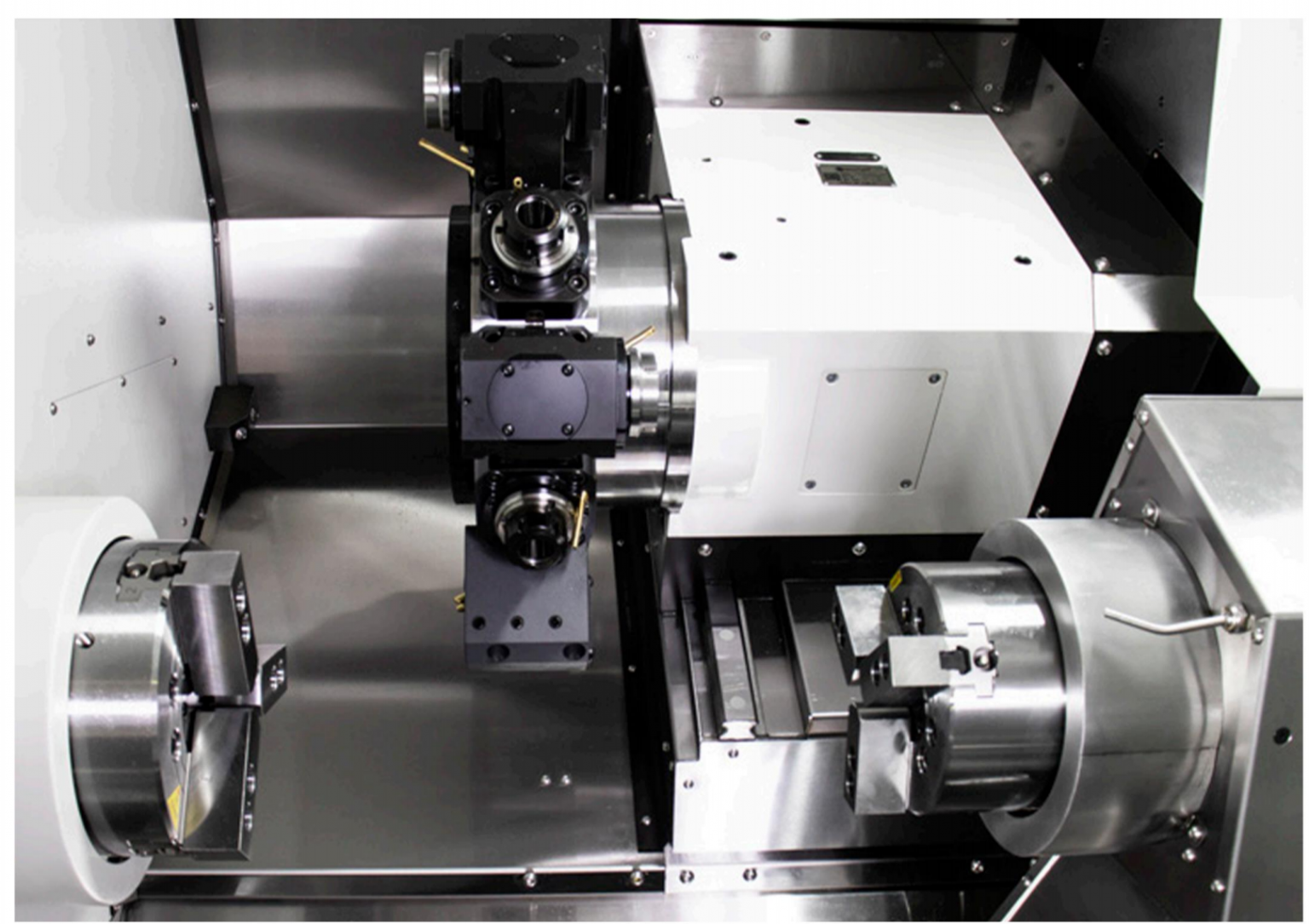
Let me be blunt. Regular maintenance, accurate CAD/CAM setups, and attention to spindle health cut repeat rework. I’ve seen shops recover 10–15% of lost output with straightforward fixes. That’s not magic — it’s habits. Still, owners face tight budgets and conflicting priorities, and choices get deferred. So I want to walk you through what I’ve learned, step by step, to help you see practical lifts in uptime and part quality.
We’ll start by looking under the hood—where common fixes fail—and then we’ll point to smarter paths forward. Onward to the deeper problems.
Where Traditional CNC Service Falls Short
cnc milling services near me often show up as a quick search result, but the results are mixed. In many shops the same patchwork approach repeats: reactive fixes, rushed calibrations, and paperwork that never paints the whole picture. Technically, these stop-gap methods address symptoms, not causes. Toolpath errors get blamed on the CAM file when the real issue is worn tooling or incorrect spindle speed. Servo motors get tuned without confirming load curves, and tolerances drift even after a “repair.” Look, it’s simpler than you think — if you treat the system, not just the symptom.
Two common flaws stand out. First, inspections focus on visible wear but skip data trends: vibration logs, thermal drift, and cycle-to-cycle repeatability get ignored. Second, technicians sometimes rely on rules of thumb rather than measured baselines. Both lead to repeated breakdowns. I’ve watched crews tighten bolts and call it a day, while deeper misalignments remained. We need a move from checklist-bandage to measured troubleshooting — and that starts with basic instrumentation and consistent records.
How often do these failures recur?
More than you’d like. When you don’t track spindle health and cutting loads, problems come back. My recommendation: start small with vibration checks and run charts. They’ll tell you more than a hurried visual ever will.
Future Outlook: Smarter Service and Practical Metrics
What’s next? The future for maintenance and service is hybrid: trained technicians using better data tools plus targeted skills training. If you’re thinking about custom cnc machining services, you should also think about how that provider measures success. I see two trends taking hold. First, predictive checks (simple vibration baselines, thermal scans) prevent 70% of surprise failures. Second, remote diagnostics let an experienced tech review logs before a truck feels necessary — saving time and travel. — funny how that works, right?
Here’s a short case outlook: a mid-sized shop I worked with adopted scheduled baseline captures, improved tooling checks, and insisted vendors document tolerances during handoff. Within three months they cut emergency calls by half and improved first-pass yield. Wait, let me be clear: the gains weren’t from fancy gear alone but from disciplined habits and clearer communication with suppliers.
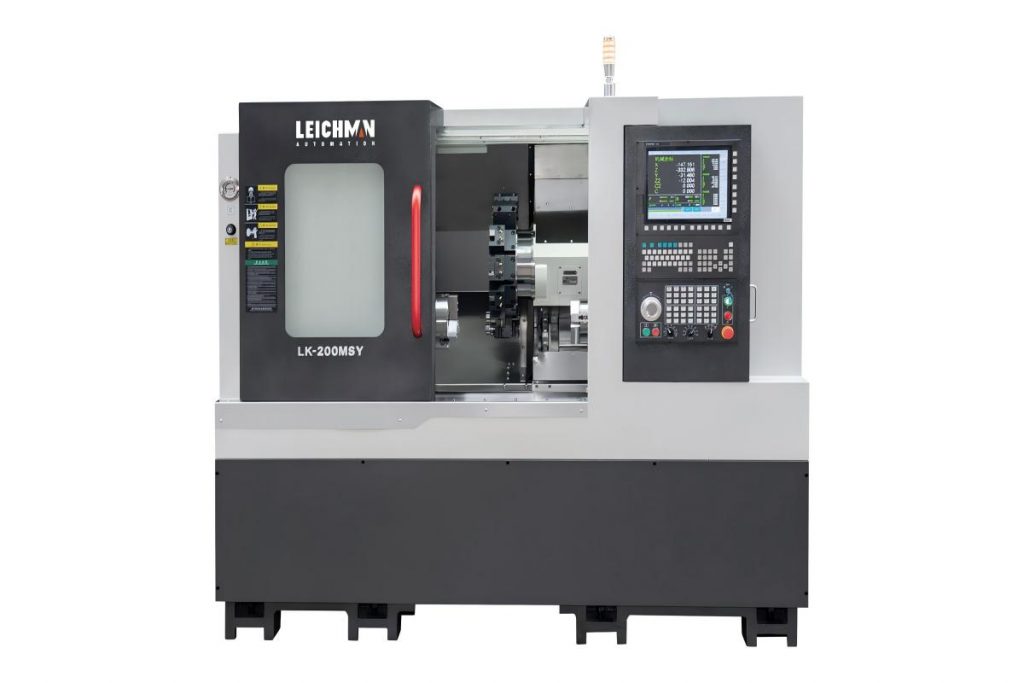
What to measure when you evaluate a provider?
When you compare services, use these three evaluation metrics: 1) Mean Time Between Failures (MTBF) trend — does it improve after service? 2) First-pass yield changes — are parts meeting tolerances more often? 3) Response-to-resolution time — how long from your call to fix? These metrics reveal real impact, not slogans.
I’ve shared what works, and I’ll say this plainly: choose partners who bring both hands-on skill and the habit of measurement. That way you get fewer surprises and more predictable output. For shop-level support or to compare service options, consider partners that combine field expertise with clear data practices — like Leichman.