
When it comes to styling evening wear dresses, a dupatta can completely transform the look.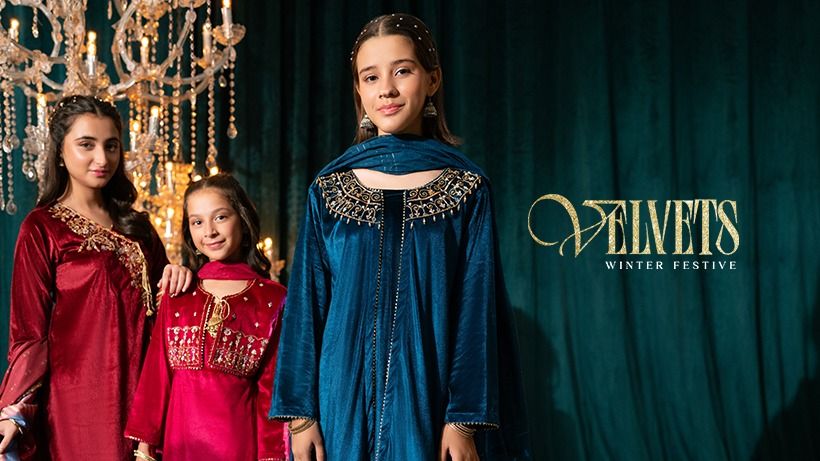
Whether you are attending a wedding reception, a formal dinner, or a festive gathering, the right dupatta style adds grace, balance, and elegance.
Many people own beautiful evening wear dresses but feel unsure about how to drape or match a dupatta properly.
This guide is written to solve that exact problem in a simple and easy-to-follow way.
In this comprehensive blog, you will learn how to choose, style, drape, and carry a dupatta with evening wear dresses in an elegant and confident manner.
The language is simple, the ideas are practical, and every section focuses on helping you look polished without feeling overwhelmed.
Understanding the Role of a Dupatta in Evening Wear
A dupatta is not just an accessory. It is a style statement. When paired correctly with evening wear dresses, it enhances the outfit’s beauty and adds a sense of tradition mixed with modern fashion.
In evening styling, the dupatta serves three main purposes. First, it balances the outfit visually. Second, it adds movement and flow. Third, it allows you to express your personal style.
Many evening wear dresses look complete only when a dupatta is styled thoughtfully. Without it, the outfit may feel plain. With it, the same dress can look rich and elegant.
Choosing the Right Dupatta for Evening Wear Dresses
Selecting the correct dupatta is the foundation of elegant styling. Not every dupatta works with all evening wear dresses, so careful selection is important.
Fabric Selection Matters
The fabric of the dupatta should complement the fabric of your evening wear dresses.
Light fabrics like chiffon, georgette, and net are ideal for formal evenings. They add softness and do not overpower the dress.
Silk and velvet dupattas work best for winter events or very formal evening wear dresses. These fabrics add richness but should be balanced carefully.
Avoid heavy cotton dupattas for evening events. They often look too casual for evening wear dresses.
Color Coordination
Color coordination is key when styling dupattas with evening wear dresses.
A matching dupatta creates a clean and classic look. A contrasting dupatta adds drama and interest.
For example, a deep-colored dupatta with neutral evening wear dresses can look striking. Soft pastel dupattas pair beautifully with darker outfits.
Always consider the event lighting. Evening lights enhance shimmer, so colors may appear richer on evening wear dresses.
Matching Dupatta Embellishments with the Dress
Embellishments play a big role in creating harmony between dupatta and evening wear dresses.
If your dress is heavily embroidered, choose a simple dupatta. This avoids a cluttered look.
If your evening wear dresses are plain, a decorated dupatta can become the highlight of your outfit.
Sequins, zari, lace borders, and subtle embroidery are excellent for evening styling. However, balance is everything when working with evening wear dresses.
Classic Dupatta Draping Styles for Evening Wear
Draping style can change the entire appearance of evening wear dresses. Here are timeless draping options that always look elegant.
Over-the-Shoulder Drape
This is one of the most popular styles for evening wear dresses.
The dupatta is placed over one shoulder and allowed to fall freely. This style looks effortless and graceful.
It works best with long gowns, anarkalis, and flowy evening wear dresses.
Front Drape Style
In this style, the dupatta is draped evenly over both shoulders and allowed to fall in the front.
This look adds symmetry and modesty, making it ideal for formal evening wear dresses.
It also photographs beautifully and suits events where elegance is the main focus.
Modern Dupatta Draping for a Stylish Look
Modern styling focuses on clean lines and confidence. These styles are perfect for contemporary evening wear dresses.
Belted Dupatta Style
Adding a belt over the dupatta creates a structured and fashionable look.
This style works well with fitted evening wear dresses and gowns.
It keeps the dupatta in place while adding a modern touch to traditional wear.
Cape-Style Dupatta
Cape-style draping involves spreading the dupatta across the shoulders like a cape.
This style is trendy and works beautifully with sleeveless evening wear dresses.
It adds drama without being heavy or uncomfortable.
Styling Dupatta with Different Types of Evening Wear Dresses
Different silhouettes require different dupatta treatments. Understanding this helps you style evening wear dresses more effectively.
With Long Gowns
Gowns often look best with minimal dupatta styling.
A sheer dupatta draped loosely over one shoulder enhances evening wear dresses without hiding their shape.
Avoid heavy drapes that take attention away from the gown.
With Anarkali Dresses
Anarkalis are traditional and flowy. They pair beautifully with classic dupatta styles.
A side drape or front drape complements the volume of evening wear dresses like anarkalis.
Choose dupattas with borders to frame the outfit nicely.
Using Dupatta to Enhance Body Shape
Dupatta styling can also help balance proportions when wearing evening wear dresses.
Vertical drapes create a taller appearance.
Side drapes slim the body and add elegance to evening wear dresses.
Avoid bulky folds if you want a sleek look. Light, flowing drapes are always more flattering.
Jewelry and Dupatta Coordination
Jewelry should complement both the dupatta and evening wear dresses.
If the dupatta is heavily embellished, keep jewelry minimal.
If the dupatta is simple, bold jewelry can elevate evening wear dresses.
Make sure earrings do not clash with the dupatta border near the face.
Dupatta Pinning Tips for a Polished Look
Pins are small but powerful tools when styling evening wear dresses.
Use discreet pins that match the color of the dupatta.
Pin at the shoulder to prevent slipping.
Avoid over-pinning, as it can make evening wear dresses look stiff and uncomfortable.
Seasonal Dupatta Styling for Evening Events
Seasonal considerations help you stay comfortable while wearing evening wear dresses.
In summer, choose breathable fabrics like chiffon.
In winter, velvet or pashmina dupattas add warmth and elegance to evening wear dresses.
Always consider venue temperature when selecting your dupatta.
Common Mistakes to Avoid When Styling Dupatta
Even beautiful evening wear dresses can lose their charm due to poor dupatta styling.
Avoid mismatched colors that clash with the dress.
Do not overload embroidery on both dress and dupatta.
Never ignore comfort. If the dupatta keeps slipping, it will affect your confidence in evening wear dresses.
Dupatta Styling for Different Evening Occasions
Each occasion demands a slightly different approach to styling evening wear dresses.
For weddings, richer dupattas with embroidery work well.
For formal dinners, minimal and elegant dupatta styles suit evening wear dresses better.
For parties, modern drapes and lighter fabrics create a stylish look.
Maintaining Elegance While Carrying a Dupatta
Carrying a dupatta gracefully is just as important as styling it.
Stand straight and let the dupatta flow naturally with evening wear dresses.
Avoid constant adjusting, as it can distract from your overall look.
Confidence is the key element that makes evening wear dresses look truly elegant.
Final Styling Checklist for Dupatta and Evening Wear
Before stepping out, do a quick check.
Is the dupatta secure?
Does it complement the color and style of evening wear dresses?
Is it comfortable enough to carry for hours?
A quick check ensures you look polished and poised.
Conclusion:
Styling a dupatta with evening wear dresses is both an art and a skill. When done correctly, it adds elegance, grace, and personality to your outfit. The right fabric, color, drape, and balance can turn simple evening wear dresses into unforgettable looks.
This guide showed you how to choose the perfect dupatta, how to drape it for different styles, and how to avoid common mistakes. By keeping things balanced and comfortable, you can confidently carry evening wear dresses for any evening event.
Remember, elegance is not about following every trend. It is about understanding what works for you and styling evening wear dresses in a way that feels natural and beautiful.