
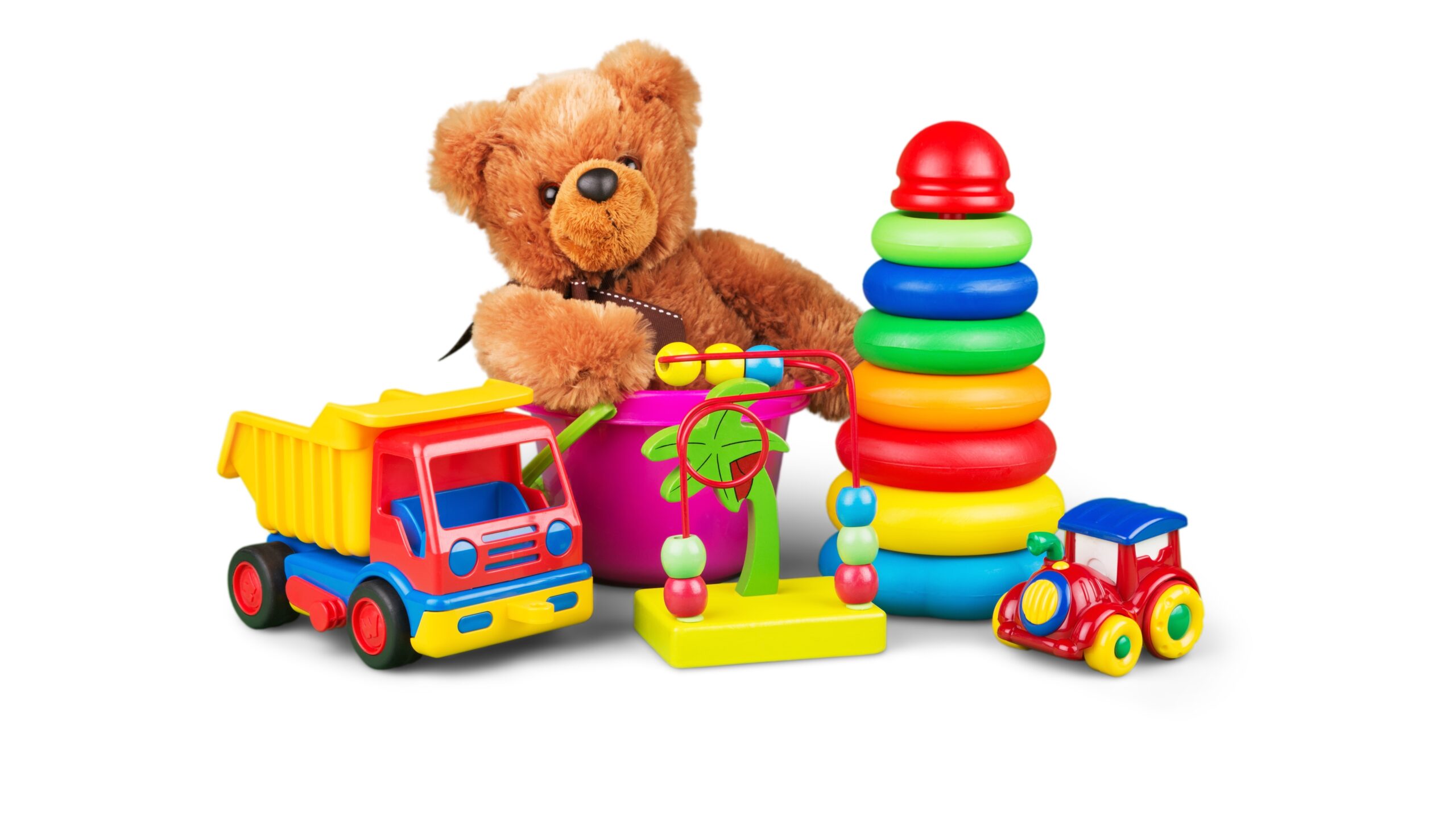
Toys have always been central to the concept of childhood. From a simple ball to a sophisticated robot, toys serve not only as sources of entertainment but as crucial tools for a child's development. Far from being just distractions, toys play an essential role in shaping a child’s cognitive, emotional, and social growth. They help children understand the world around them, express their creativity, and interact with others, providing endless opportunities for learning. In this article, we explore the multifaceted impact toys have on child development, highlighting their role in sparking curiosity, creativity, and life skills.
The Cognitive Development: A Foundation for Learning
Toys are much more than objects of amusement—they are vehicles for learning. From the very beginning, even as babies, children interact with their environment through play. Cognitive development refers to the growth of a child’s ability to think, learn, reason, and understand, and toys are key tools in this process. In fact, experts emphasize that play is the primary method by which young children learn.
Toys such as puzzles, building blocks, and sorting games help children develop important skills in problem-solving, memory, and pattern recognition. For example, when children manipulate objects or fit puzzle pieces together, they are not just having fun—they are strengthening their ability to focus, think critically, and organize information logically. Building toys like LEGO and wooden blocks encourage children to engage with spatial relationships, developing their ability to visualize, plan, and think strategically.
As children grow older, more complex toys—such as science kits, robotics sets, or coding games—introduce them to more advanced concepts like engineering, programming, and technology. These toys lay the groundwork for later academic success, building a foundation of STEM skills that are increasingly critical in the modern world. From hands-on learning to abstract reasoning, toys actively contribute to cognitive growth, making them essential educational tools.
Emotional Development: Toys as Tools for Self-Expression
Children learn a great deal about their emotions through play. Toys provide a safe space for them to explore, understand, and manage their feelings. Whether they’re using dolls to play out family scenarios or using action figures to create dramatic stories, children learn to express themselves emotionally in ways that help them process their experiences.
Pretend play is particularly beneficial for emotional development. By assuming roles and acting out different characters or situations, children experiment with various emotional responses and build empathy. For example, when a child plays with a doll and imagines it feeling sad or sick, they may express caring behaviors like "helping" the doll feel better. This practice helps children learn how to respond to others' needs and understand the importance of kindness and nurturing.
In addition to emotional expression, toys help children regulate their emotions. Playing with toys allows children to work through their fears and anxieties in a safe environment. For example, a child who feels scared of the dark may use a stuffed animal to reenact going to bed with a nightlight, allowing them to confront their fears in a playful, non-threatening way. Through play, children learn how to manage stress, handle difficult situations, and express their emotions in healthy ways.
Social Skills: Learning to Share, Cooperate, and Communicate
Beyond emotional growth, toys play an important role in social development. Social play helps children learn how to interact with others, share, negotiate, and resolve conflicts. Toys that require group play—such as board games, sports equipment, or even cooperative building toys—help children practice these essential social skills.
Board games are a great example of toys that teach cooperation and fair play. Games like Monopoly or Candy Land require players to take turns, follow rules, and engage in friendly competition. These experiences teach children how to work as a team, communicate effectively, and handle both winning and losing with grace. Additionally, games encourage children to practice patience, a vital social skill that they will use throughout their lives.
Toys that encourage imaginative play, such as dolls, action figures, or pretend kitchens, also support the development of social skills. When children play together with dolls or playsets, they often create scenarios that involve communication, role-playing, and social problem-solving. Whether they're pretending to go on an adventure or play house, children engage in dialogue, negotiate roles, and practice resolving conflicts, thus developing important social and communication skills.
Creativity and Imagination: Toys as Catalysts for Innovation
One of the most significant benefits of toys is their ability to fuel a child’s imagination. The creative process is vital for a child’s emotional and intellectual development, and toys are among the best ways to encourage this creative exploration. Toys that have no defined rules or outcomes—such as building blocks, art supplies, and open-ended playsets—invite children to dream, create, and invent.
Toys that encourage children to engage in imaginative play are particularly valuable. For example, children who play with dolls or action figures are not merely replicating reality—they are building entire stories and worlds from their own imagination. This kind of imaginative play strengthens their ability to think creatively and develop original ideas. Similarly, art and craft supplies, musical instruments, and building toys encourage children to express their ideas and develop their unique creative voice.
Through imaginative play, children also learn how to problem-solve. They may build a house out of blocks and discover it falls down, only to experiment with new designs until they find a solution. This trial-and-error process is a form of critical thinking, which helps children learn persistence, resilience, and innovation. Creative play through toys helps children become confident in their ideas and fosters an openness to experimentation and learning from mistakes.
The Evolution of Toys: Tech Integration and Sustainability
As the world evolves, so too do toys. The advent of technology has brought a new dimension to play. While traditional toys like dolls, cars, and blocks remain important, technology has introduced digital learning tools that provide exciting new opportunities for growth. Today, many toys come with apps, interactive features, or even augmented reality (AR) capabilities, which engage children in digital learning while still promoting play.
Educational toys such as coding robots, STEM kits, and interactive tablets allow children to learn essential technology skills in a hands-on way. For instance, robots that children can program teach basic coding concepts while engaging them in play. These tech-forward toys are especially valuable in preparing children for the future, as digital literacy and problem-solving skills are vital in an increasingly tech-dependent world.
In addition to technological advancements, there is also a growing emphasis on sustainability within the toy industry. Parents and manufacturers alike are recognizing the environmental impact of plastic toys, leading to an increase in eco-friendly alternatives. Sustainable toys made from recycled materials, wood, or organic fabrics are gaining popularity, allowing children to play while helping protect the planet.
Eco-friendly 玩具網購 not only reduce waste and environmental harm, but they also provide an opportunity to teach children about sustainability. By using toys that promote recycling, conservation, and responsible consumption, children can develop an awareness of environmental issues from an early age.
Conclusion: The Lasting Impact of Toys
Toys are much more than simple objects for entertainment—they are foundational tools that help children grow intellectually, emotionally, socially, and creatively. They foster learning, nurture curiosity, promote creativity, and teach important life skills. From problem-solving puzzles to imaginative play with dolls, toys help children make sense of the world, build relationships, and develop the skills they will need as adults.
As the toy industry continues to innovate and embrace new technologies, the value of traditional play remains as strong as ever. Whether it’s through tech-driven gadgets or sustainable wooden toys, the core mission of play remains the same: to inspire, educate, and develop the next generation of thinkers, creators, and problem-solvers. By investing in quality toys, we are investing in the future, ensuring that children have the tools they need to thrive in an ever-changing world.